

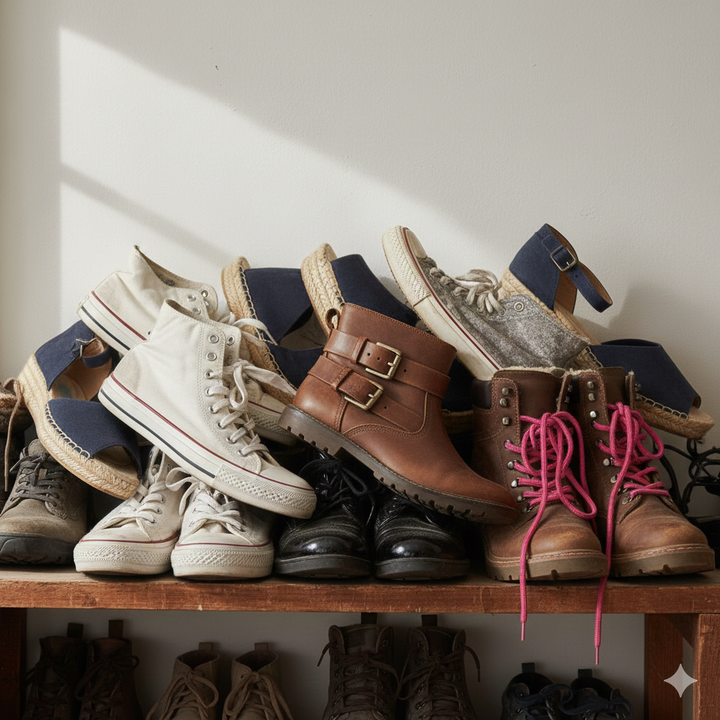
Shoes worn daily typically last 6 to 12 months. Longevity depends on quality, usage, and maintenance.
Shoes are essential for comfort and protection. Their lifespan varies based on material, brand, and how they're treated. Quality shoes can endure daily wear and tear for up to a year. Regular cleaning and proper storage can extend their usability.
Frequent usage on rough terrain or in harsh weather might reduce their lifespan. Investing in durable shoes and rotating pairs can help them last longer. Regularly checking for signs of wear, such as sole thinning or upper damage, ensures timely replacements. Maintaining shoes with appropriate care enhances their durability, providing better value and comfort over time.

Shoe Lifespan Factors
Understanding the factors that affect a shoe's lifespan is essential. Shoes worn every day experience significant wear and tear. This section explores two crucial elements: material quality and construction techniques.
Material Quality
The quality of materials used in shoes greatly affects their lifespan. Here are some key points to consider:
-
Leather: Durable and long-lasting if maintained properly.
-
Synthetic Materials: Often less durable, wear out faster.
-
Rubber: Excellent for soles, provides good grip and longevity.
-
Fabric: Breathable but may tear or fray over time.
Always check the material before purchasing shoes. High-quality materials usually result in longer-lasting shoes.
Construction Techniques
The way shoes are constructed impacts their durability. Here are some common construction techniques:
|
Technique |
Durability |
Details |
|---|---|---|
|
Stitched |
High |
Stitching holds materials together securely. |
|
Glued |
Medium |
Adhesive bonds materials, less durable than stitching. |
|
Welded |
High |
Heat or pressure joins materials, very durable. |
Shoes with sturdy construction techniques often last longer. Choose shoes with stitching or welding for everyday wear.
Wear And Tear Indicators
Understanding the wear and tear indicators of your shoes is crucial. These indicators help you know when it's time to replace your shoes. By paying attention to specific signs, you can ensure your footwear remains comfortable and supportive.
Sole Degradation
The sole of your shoe is the first to show wear. Over time, the tread on the sole will wear down. This affects traction and makes the shoe less safe to wear.
Look for these signs of sole degradation:
-
Worn-out tread patterns
-
Visible cracks in the sole
-
Thinning of the sole material
If the sole is worn out, your shoes will not provide proper support. This can lead to discomfort and foot injuries.
Upper Damage
The upper part of the shoe includes the fabric and material above the sole. This part often shows signs of wear differently.
Common signs of upper damage include:
-
Tears or holes in the fabric
-
Loose or broken stitching
-
Stretched or misshapen areas
Damaged uppers can cause discomfort and reduce the shoe's support. Pay attention to these signs to ensure your shoes remain in good condition.
Regularly inspecting your shoes for these wear and tear indicators can help you maintain healthy feet. Replace your shoes as needed to ensure comfort and support.
Impact Of Usage Patterns
The lifespan of your everyday shoes depends on how you use them. Usage patterns significantly affect how long your shoes will last. Different activities and mileage can wear out shoes at varying rates. Understanding these factors will help you get the most out of your footwear.
Daily Mileage
How many miles you walk daily impacts your shoes' lifespan. For instance:
-
Less than 3 miles daily: Your shoes can last up to a year.
-
3 to 6 miles daily: Expect your shoes to last about 6 months.
-
More than 6 miles daily: Shoes may wear out in 3 months.
Walking more increases wear and tear on the soles and cushioning. Check for signs of wear regularly. This includes flattened soles and reduced comfort.
Activity Type
The type of activity you engage in also matters. Different activities put different stresses on your shoes. Consider the following:
|
Activity Type |
Impact on Shoes |
|---|---|
|
Walking |
Moderate wear on soles and cushioning. |
|
Running |
High wear on soles, cushioning, and structure. |
|
Standing |
Moderate wear on cushioning, less on soles. |
|
Sports (e.g., basketball) |
High wear on all parts of the shoe. |
Running and sports like basketball put extreme pressure on shoes. They wear out faster. On the other hand, standing and walking are less intense. Shoes last longer under these conditions.

Maintenance Tips
To make your shoes last longer, you need to take care of them. Proper maintenance can extend the life of your shoes and keep them looking great.
Cleaning Routine
Regular cleaning is crucial for shoe longevity. Follow these steps:
-
Brush off dirt: Use a soft brush to remove dirt and dust.
-
Wipe with a damp cloth: Gently wipe the surface with a damp cloth.
-
Use a mild soap: For deeper cleaning, use a mild soap solution.
-
Air dry: Let your shoes air dry completely before wearing them.
Storage Methods
Proper storage is essential to maintain the shape and quality of your shoes. Here are some storage tips:
-
Use shoe trees: Insert shoe trees to maintain shape and absorb moisture.
-
Keep in a cool, dry place: Store shoes in a cool, dry area to prevent mold.
-
Avoid direct sunlight: Keep shoes away from direct sunlight to prevent fading and cracking.
-
Use dust bags: Store shoes in dust bags to protect them from dust and dirt.
|
Maintenance Tips |
Benefits |
|---|---|
|
Regular Cleaning |
Removes dirt and extends shoe life |
|
Proper Storage |
Maintains shape and prevents damage |
Replacement Signs
Wearing shoes every day can wear them out faster. Knowing when to replace them is important. Here are some key signs your shoes need replacing.
Comfort Decline
Your shoes should feel comfortable. If they start causing pain, it's a sign. You might feel discomfort in your feet, knees, or back. This means the cushioning has worn out. Comfortable shoes support your body. Without this support, you can experience more pain.
Structural Issues
Look for visible damage. Check for holes, tears, or worn-out soles. If the sole is uneven, it's time for a new pair. Worn-out soles can cause imbalance and injury. Also, check the heel. If it's leaning to one side, replace your shoes.
|
Replacement Sign |
Description |
|---|---|
|
Comfort Decline |
Feet, knees, or back pain |
|
Structural Issues |
Holes, tears, uneven soles |
Expert Recommendations
Knowing how long shoes should last if worn daily is vital. Experts provide insights based on various factors like material, usage, and brand. This helps consumers make informed choices.
Brand Insights
Different brands offer varying durability. High-end brands like Nike and Adidas often use premium materials. These can last 12-18 months. Budget-friendly brands may last 6-12 months. See the table below for more details:
|
Brand |
Expected Lifespan (Daily Use) |
|---|---|
|
Nike |
12-18 months |
|
Adidas |
12-18 months |
|
Puma |
10-14 months |
|
Reebok |
8-12 months |
|
Sketchers |
6-10 months |
Consumer Reviews
Consumer reviews provide real-life data. They often reflect true durability. Positive reviews usually highlight long-lasting comfort and material quality. Negative reviews focus on issues like wear and tear.
-
Comfort: Many consumers praise brands like Nike for long-lasting comfort.
-
Material Quality: Adidas often receives high marks for material quality.
-
Wear and Tear: Budget brands may show wear within 6 months.
Reading consumer reviews can help make better choices. Look for recurring themes in reviews. This gives a clearer picture of what to expect.
Credit: www.runtothefinish.com
Frequently Asked Questions
What Is The Average Lifespan Of A Shoe?
The average lifespan of a shoe ranges from 300 to 500 miles. It depends on usage and quality. Regular maintenance can extend their life.
How Often Should I Replace Everyday Shoes?
Replace everyday shoes every 6-12 months. High usage may require more frequent replacement. Check for wear and discomfort.
Is It Ok To Wear Same Shoes Everyday?
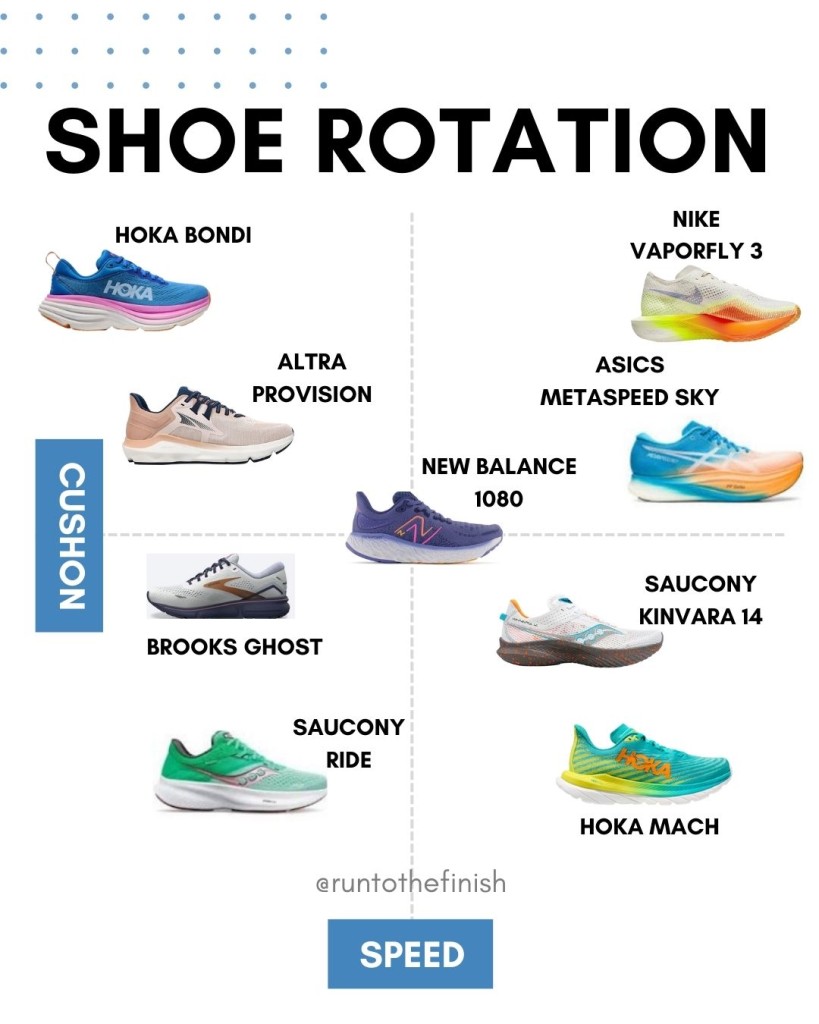
Wearing the same shoes every day isn't ideal. Shoes need time to air out and recover, preventing odor and wear. Rotate pairs to extend their lifespan and maintain foot health. Regular rotation helps keep shoes in better condition and supports overall foot comfort.
How Long Should Daily Work Shoes Last?
Daily work shoes typically last 6 to 12 months. Durability depends on usage, materials, and maintenance. Regularly inspect and replace as needed.
How Often Should Everyday Shoes Be Replaced?
Everyday shoes should be replaced every 6-12 months, depending on usage and wear.
Conclusion
Shoes worn daily should last between six months to a year. Factors like quality, usage, and maintenance affect durability. Regularly inspect your shoes for wear and replace them as needed. Choosing high-quality materials and proper care can extend their lifespan.
Invest wisely in footwear for better comfort and longevity.

